
Managing the electrical infrastructure of a multi-unit property in Toronto requires a different strategy than a single-family home. Whether you are navigating the 2024 Ontario Building Code multiplex provisions or maintaining a purpose-built apartment building, your system must be safe, scalable, and capable of meeting modern tenant demands.
A multi-unit service upgrade involves more than a simple panel swap; it is a full infrastructure overhaul—from the utility connection to the individual unit breakers. At Toro Electric, we help property owners evaluate their existing capacity, address aging distribution equipment, and plan for future loads like EV charging and heat pumps.
Signs Your Building Has Outgrown Its Service
In a multiplex, electrical “stress” often presents as building-wide symptoms. We frequently see these issues in older Toronto properties where a shared service is pushed beyond its original design limits.
- Inter-Unit Power Fluctuations: Occupants may report insufficient power for high-draw appliances—such as window AC units or portable heaters—particularly during peak summer or winter months.
- Widespread Dimming: Lights flickering across multiple units when centralized equipment, such as a shared laundry room or a building-wide HVAC compressor, cycles on.
- The “Master Meter” Constraint: The building lacks the modern distribution architecture required for individual utility accounts, leaving the landlord to manage all hydro costs.
- Physical Infrastructure Limits: Main distribution pull boxes or meter stacks are at physical capacity, with no available space to add circuits for a new basement suite or parking-lot EV chargers.
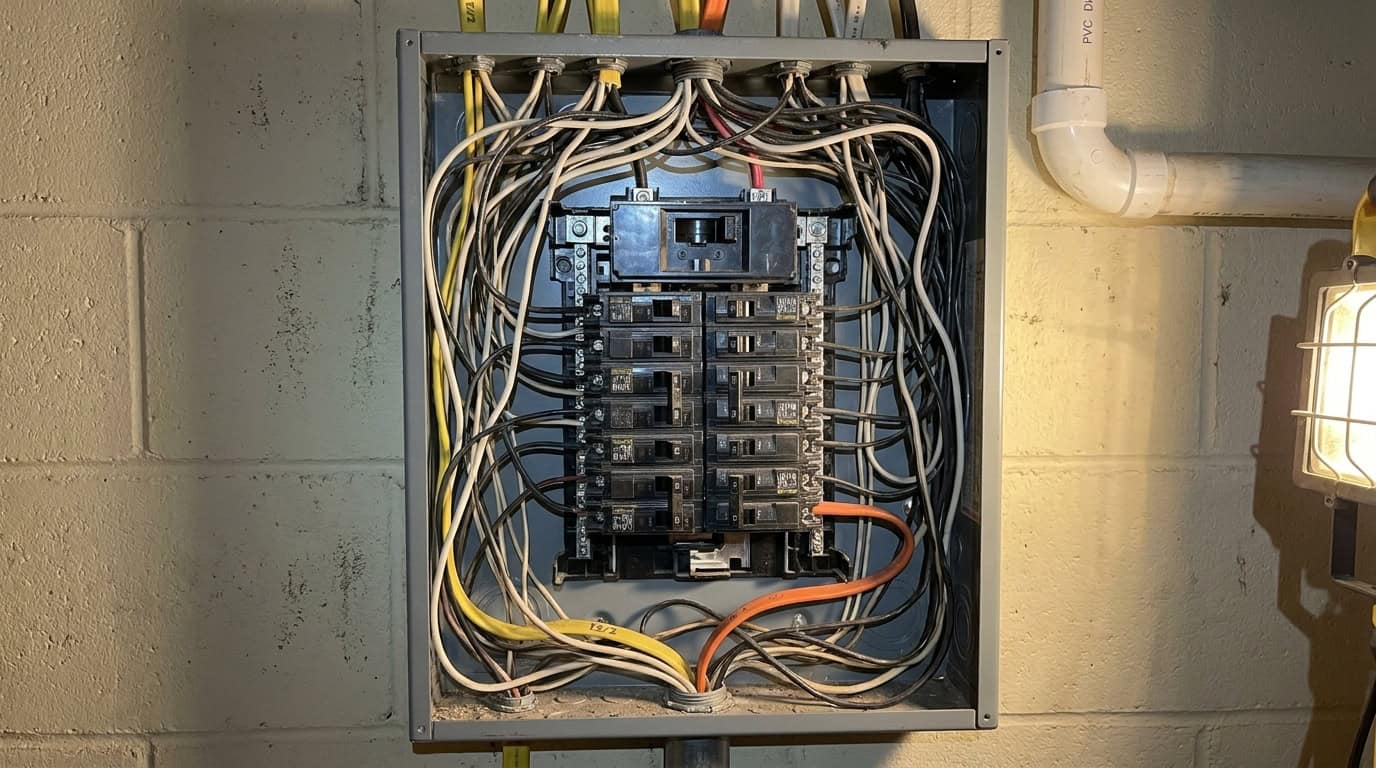
- Insurance & Maintenance Triggers: Insurers or property managers identifying aging fuse blocks, obsolete switchgear, or specific older panel types that are becoming difficult to maintain or source replacement parts for.
Expert Note: We recently assisted a property manager whose third-floor tenants reported insufficient available power for air conditioning. This is a common “buying trigger”—the building’s shared infrastructure simply wasn’t designed for the simultaneous cooling loads of modern households.
Multi-Unit Upgrades: Typical Component Ranges
Every multiplex is unique, but the following table outlines the components typically involved in a multi-residential infrastructure project.
| Component | Common Technical Scenarios |
|---|---|
| Main Service Entrance | For larger multiplexes, 400A or 600A service equipment is often appropriate; smaller buildings may require less. Final sizing is driven by the OESC load calculation. |
| Meter Centers | Modular meter stacks allow for individual utility billing. Options range from simple dual-meter setups to large, multi-position banks. |
| Distribution Equipment | Shared “splitters” or central distribution pull boxes route power from the main service to individual unit feeders. |
| Unit Panels | Many unit-panel installations fall in the 60A–100A range. The actual size depends on the unit’s square footage and whether heating/cooking is electric or gas. |
| Utility Coordination | Service disconnects and reconnects must be coordinated with Toronto Hydro, Alectra, or Elexicon, depending on the building’s location. |
Understanding Your Metering Options
One of the most frequent requests from GTA landlords is the ability to separate utility costs. Depending on your building’s architecture and the local utility’s requirements, there are several ways to approach this:
- Individual Utility Meters: The gold standard for unit separation. Each tenant has their own account with the utility provider. This requires a modular meter stack and often involves significant utility-side coordination.
- Private Sub-metering (Check Meters): A private system installed downstream of the main utility meter. This allows the landlord to read individual unit usage and bill tenants internally without involving the utility company.
- Shared Utility Metering: The “bulk” approach where the building has one master meter. This is common in older buildings but limits a landlord’s ability to recover individual energy costs.
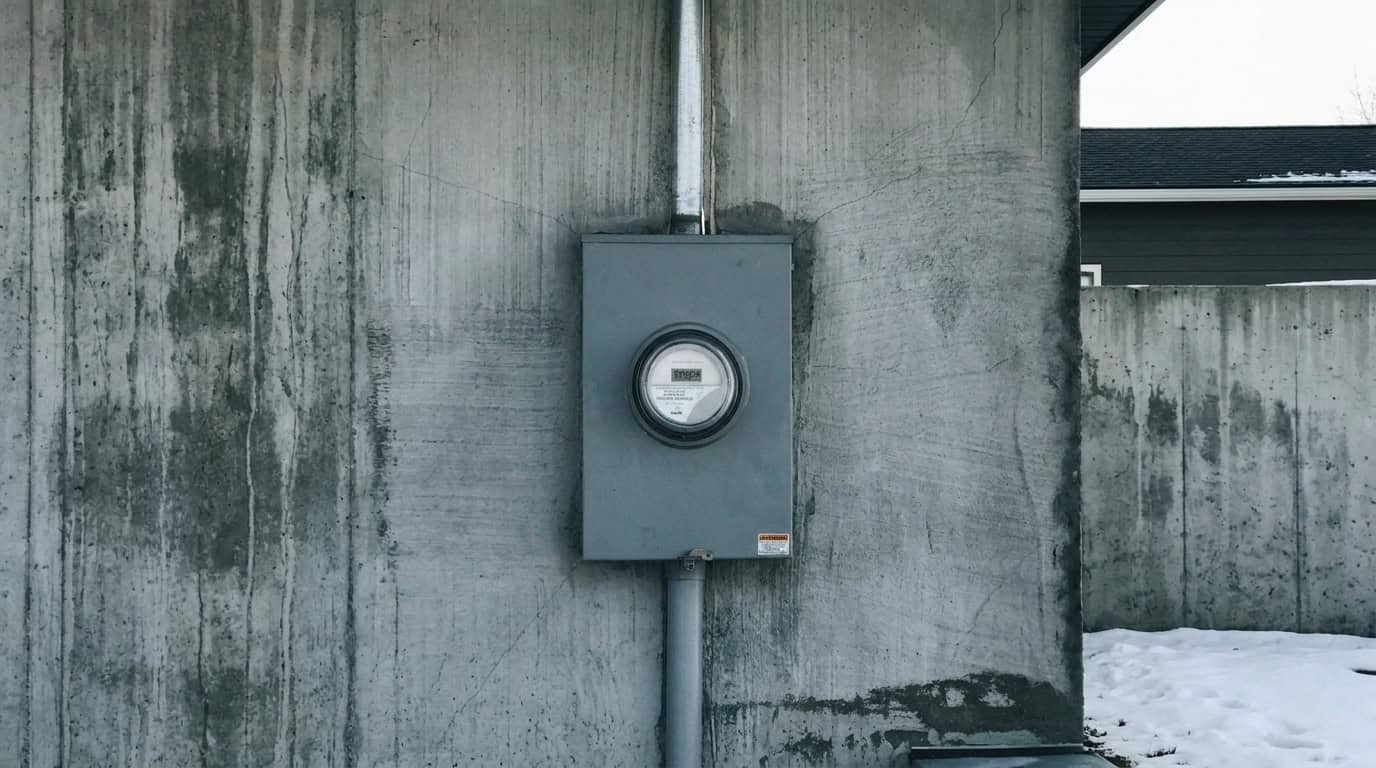
Practical Tip: If you are upgrading your main service, consider “oversizing” your meter bank or distribution pull box. Adding a few empty positions now is significantly more cost-effective than a full rebuild if you decide to add a garden suite or EV chargers two years from now.
Navigating Technical Complexity & Compliance
The Role of OESC Load Calculations
Multi-unit work is never based on guesswork. Under the Ontario Electrical Safety Code (OESC) Section 8, we perform a diversified load calculation. This factors in the total demand of all units, common areas, and high-draw equipment to ensure the new service is safely sized for the building’s actual usage patterns.
Older Infrastructure: Fuses and Obsolete Panels
Many Toronto multiplexes—especially in neighborhoods like the Annex, Roncesvalles, or East York—rely on aging centralized fuse banks. While these were robust in their time, they often create maintenance challenges and insurance concerns. Upgrading to a modern breaker-based distribution system improves safety and simplifies management for the property owner.
Multiplex Conversions (2024 OBC)
Adding a third or fourth unit often exposes the limits of an older 100A or 150A shared service. In many cases, these projects expand into a larger service or distribution upgrade. The decision to increase service capacity is always a project-specific outcome based on the load calculation and existing equipment. For a single secondary suite within one dwelling, see our secondary suite subpanel installation page.
Why Property Owners Work With Toro Electric
ESA Licensed · Panel & Service Specialists · Serving the GTA
- GTA-Wide Service: From downtown multiplexes to commercial-scale residential upgrades in Markham.
- OESC & ESA Compliance: We handle the full permit and inspection process, ensuring your building meets all current safety standards.
- Professional Documentation: We provide the clear communication and invoicing that property management accounting and insurance providers require.
- 1-Year Warranty: All multi-unit installations are backed by our site-wide 1-year parts and labour warranty.
Frequently Asked Questions
Can I separate the meters in an existing older building?
In most cases, yes, though the feasibility depends on the existing wiring paths and utility constraints. A site assessment is required to determine the best path for individual metering or private sub-metering.
How is this different from a 200 amp service upgrade?
A 200A upgrade is typically sized for a single-family dwelling. Multi-unit upgrades involve complex distribution equipment designed to serve 3 to 30+ households from a single service entrance.
What is the “diversified load” calculation?
The OESC recognizes that 10 apartments won’t all use their ovens and dryers at the exact same second. We use a formula to calculate a “diversified” total, which often allows for a smaller (and more affordable) service than simply adding up every unit’s peak capacity.
Ready to Assess Your Property’s Power?
Don’t wait for a tenant emergency or an insurance notice. Whether you are planning a multiplex conversion or need to address aging distribution equipment, Toro Electric provides the technical expertise to keep your portfolio powered.
Licensed ESA Contractor | Authorized Toronto Hydro Coordination